
Kits
Service First
A service-first setup for teams that want the common spares and wear items sorted before breakdowns.
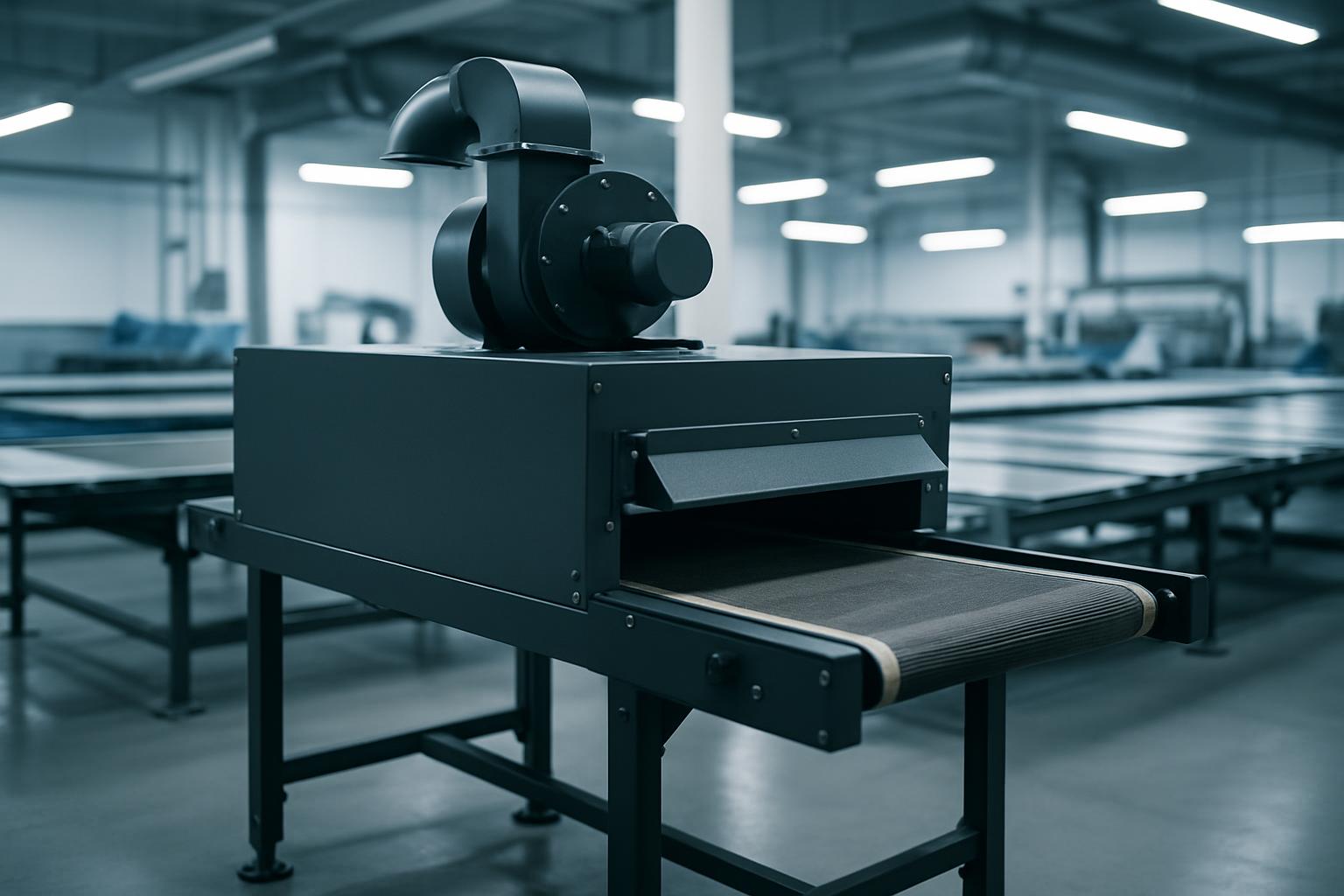
How Service First supports field technicians ordering spares
Service First is built for teams that would rather hold the common wear items and spares before a breakdown forces the issue. It is a practical starting point for workshops that want fewer avoidable interruptions on CNC, laser, or DTF equipment.
Service First starts with the wear items that stop jobs first, not with a full machine rebuild. Think collets, nozzles, lenses, wipers, filters, pinch rollers, belts and other consumables that get used up on CNC, laser and DTF equipment. In South African workshops, dust, humidity, power interruptions and courier planning all change what should be kept on hand.
Begin at the machine station that loses time most often. A quick photo of the fitted part, the machine label, and the storage area helps keep the Service First list tied to the correct setup. That record is useful when another buyer, technician or branch needs to reorder the same spare.
Service First kit focus
Instead of a long mixed list, Service First points procurement toward the items technicians reach for most during routine support. That suits teams running live production where missing one small part can hold up an entire machine.
Use Service First alongside your current spare parts record so each machine group has its own repeatable list. Before any parcel leaves Sunnyrock, check the machine model, part type and quantity against the actual service requirement. Stock requests work best as a simple list of item codes, quantities and the courier address for your workshop.
- Common spares grouped by machine type
- Photo check of fitted wear parts
- Useful for workshop and field teams
Workshop conditions that change stocking
Service First needs to fit how workshops actually operate around Gauteng dispatch planning and branch storage limits. Sunnyrock stock is easier to work with when buyers split emergency replacement parts from routine replenishment lines. That matters for teams covering Johannesburg, Durban, Cape Town and smaller industrial towns where courier frequency can differ.
Coastal sites often need closer attention on storage for metal parts, optics and packaging condition. Inland workshops usually fight fine dust around rails, covers, fans and sensors, especially on routing and cutting equipment. Load-shedding also changes when maintenance checks happen, so backup stock for high-wear items becomes more important.
Operated by Astros Marketing (Pty) Ltd from 2 Makro Place, Sunnyrock 1401.
Details that help Service First
Send the machine type, the part that wears out most often, and any item that has caused repeated stoppages. Photos of the installed component, the machine plate and current stock bin make the request easier to match. If more than one site is involved, list each location separately.
Keep the Service First record with the PO, maintenance note and bin count sheet. That makes it easier for procurement to trace what was ordered, what was fitted, and what should be topped up on the next cycle. A short internal record also helps when the same machine is serviced by different staff.
What our Workshop Supplies customers say
Verified Google reviews