
Updates
Soft Start
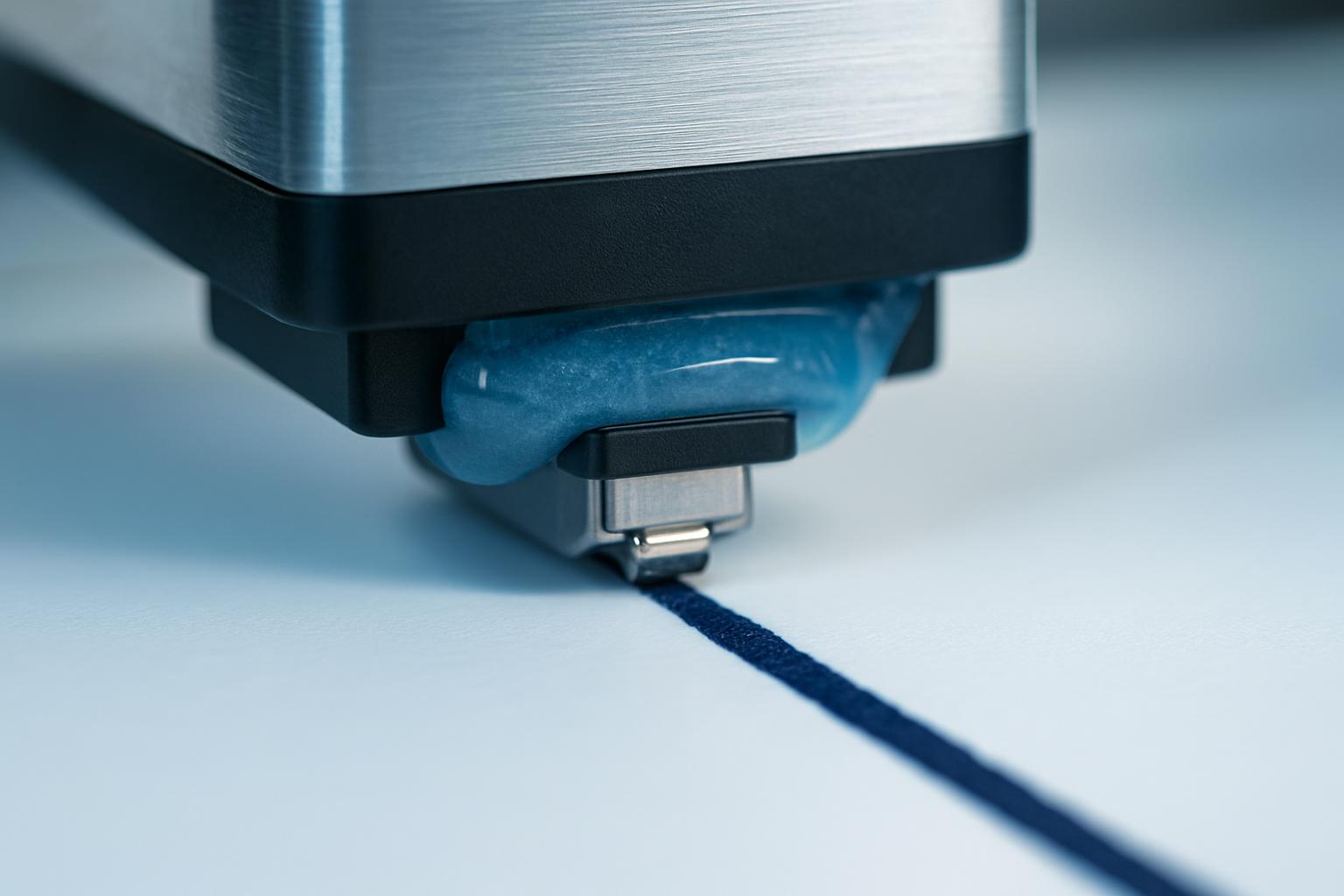
A practical note on soft-start ordering when a new machine, team or product line is just getting going.
Some machine and material problems start with the first few minutes of the day: heaters not ready, settings rushed, or media loaded cold from storage. Soft Start looks at opening checks that help the first job run cleaner.
Soft Start is written for the opening hour, when a new machine or new operator is most likely to waste material. We focus on warm-up stock, first-run test pieces, and the small consumables that disappear during setup in Gauteng, KZN and the Western Cape.
Opening-order checks from Sunnyrock
- Machine model and first-run date noted
- Material and machine bed noted
- Correct consumable code linked to the request
- Workshop name and buyer contact written clearly
Read the matching product pages after this update. Soft Start explains what to cover before production settles, while the catalogue pages pin down the exact stock line. That split helps a buyer order samples, setup consumables and daily-use items without mixing them up.
How Soft Start protects laser equipment on startup
Soft Start is for workshops getting a new machine, a new team member or a fresh product line off the ground. This update looks at placing opening orders in a way that covers early setup, testing and daily consumable use without making the list messy.
Machine type, material and the day’s production window should be written down before the first order goes in. MDF dust, coastal moisture, load-shedding and courier cut-offs change which consumables belong on a soft-start list. Soft Start is written for workshops in Johannesburg, Durban, Cape Town and smaller industrial areas where a clean stock plan matters more than another generic sales page.
Keep the first setup record simple. A photo of the control panel, media loaded on the machine, or the first clean sample often helps more than a long message later. That note is useful when heaters were still climbing, focus was adjusted, or material came straight from storage.
What Soft Start should cover
The aim is a buying list that survives the first week of use. Include test material, cleaning items, daily consumables and one clear reference to the machine or product line. A short list with correct stock names is easier to receive and issue than a wide order full of maybes.
Use Soft Start before you expand into bigger routine buying. Recheck blade size, film width, powder grade, lens cleaner or masking roll before the parcel closes for courier dispatch. Stock requests work best as a simple list of item codes, quantities and the courier address for your workshop.
- Built around startup use, not bulk only
- First sample checked before full production
- Clear written trail for the buyer
Workshop conditions that affect startup
Planning changes when a machine is landing at Sunnyrock, moving into a Johannesburg unit, or being added to an existing line. Courier cut-offs, handover dates, operator training and storage space all influence what should be in the opening order. Separate commissioning stock from the weekly top-up so the first delivery does not hide what production will consume every day.
Coastal humidity can change how media, powder and board behave after storage. Inland dust puts more pressure on covers, rails, optics and cleaning intervals. Power interruptions also matter because heaters, compressors and startup checks do not all recover in the same way.
Operated by Astros Marketing (Pty) Ltd from 2 Makro Place, Sunnyrock 1401.
Soft Start order briefing
A practical note on soft-start ordering when a new machine, team or product line is just getting going.
Write the note on the day the machine, team member or new product line is being prepared. List the stock needed for testing, cleaning, first production and basic backup. That record makes it easier to match later orders to what the workshop actually used.