
Updates
Spare Logic
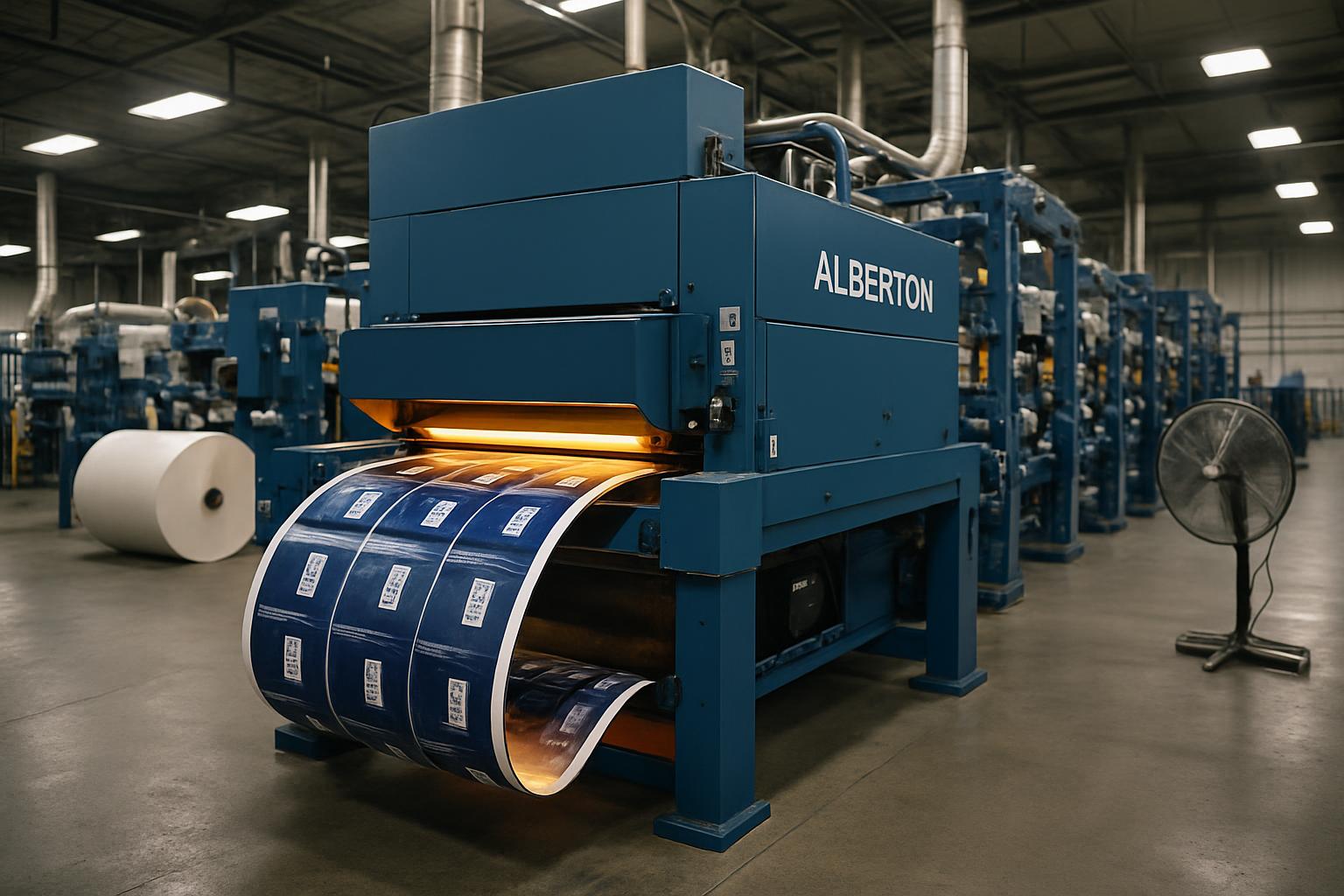
Clear spare parts lists make it easier for CNC, laser and DTF teams to keep track of what is on hand and what needs reordering.
Including the most frequently replaced items with model and part details makes ordering easier and reduces confusion. Compatibility checks become simpler when each item is labelled with machine model, part position, and connector or size.
Failure points worth listing first
Typical weak spots to note before a breakdown:
- Belts on active CNC axes
- Nozzle or carriage details written down
- Part number checked against machine manual
- Workshop contact saved with customer site name
Build your spares sheet using the item pages for each part. Record key details from the journal note, and use the product listing to confirm the buying description. This method helps avoid confusion between fitted parts, consumables, and general supplies.
Common CNC replacement parts
Belts, blades, nozzles, filters, and other fitted items all appear on detailed parts lists for CNC, laser, or DTF setups. Technicians and admin staff rely on a consolidated list to identify machines, consumables, and fitted spares with less risk of mix-ups.
Detail material, duty cycle, and machine type before any backup parts order. A single spares sheet, readable by buyers, technicians, and admin staff, helps standardise records across every region.
Concise descriptions of key features often help distinguish between parts more effectively than lengthy explanations, especially when items appear similar. Listing fitted item codes, label wording, and a brief note about the part's location on the machine supports future orders—even when the usual technician is away.
Records that help reordering
Anyone reading a spare parts list should understand it at a glance. Naming the machine, the part, quantity to keep, and signs that replacement is due lets staff work from a shared record instead of relying on memory.
Check related kits or item pages only after the fitted part has been identified correctly. Blade width, belt pitch, nozzle type, filter size, or cable end can change the order completely.
Good records make future spare orders easier:
- Based on real machine stoppages
- Fitted part recorded before failure
- One reference for buyer and technician
Planning spare parts lists
Clear, detailed workshop lists help match the correct spare to each request. For older machines, mixed brands, or retrofitted assemblies, include extra details like shaft size, connector type, or mounting position. Highlight any urgent replacement needs separately from routine supplies to ensure the right priority is given.
Periods of peak machine use should guide how many replacements are kept ready for use. Metal spares, rails, extraction filters, fans, and sensor covers all benefit from regular checks to maintain machine reliability.
Starting spare parts records
Spare parts records become much easier to use when lists are clear from the beginning for CNC, laser, and DTF teams.
Capturing part details while the machine is running and accessible prevents confusion later. Write down installed quantity, preferred backup quantity, and any visible marking on the part body or packet. That same sheet becomes useful later when inventory counts, purchase orders, and workshop checks need to match.